

China has confirmed the first known human case of the H3N8 strain of avian flu, but health authorities say there is a low risk of widespread transmission among people.
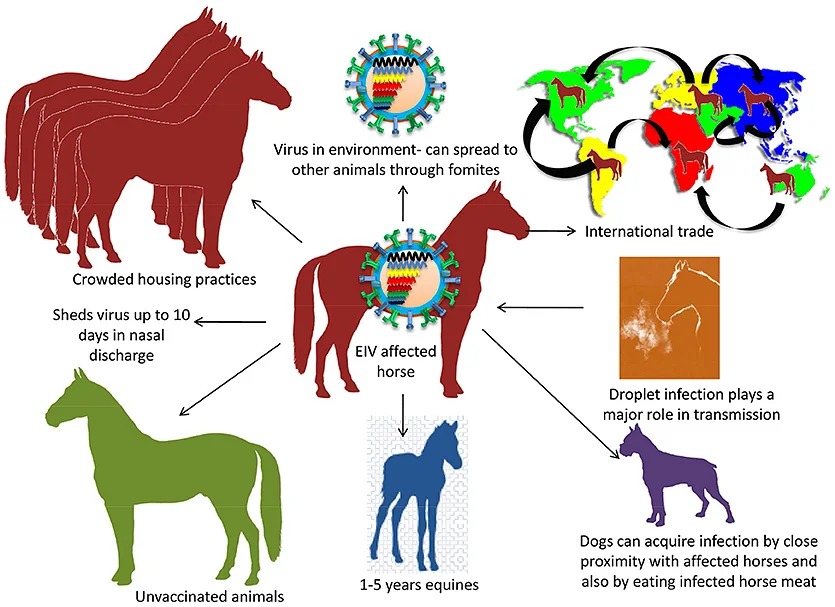
H3N8 is known to have been circulating since 2002 after first emerging in North American waterfowl. It is known to infect horses, dogs and seals, but has not previously been detected in humans.
China’s National Health Commission on Tuesday said a four-year-old boy living in central Henan province tested positive for the strain after being hospitalised earlier this month with a fever and other symptoms.
The boy’s family raised chickens at home and lived in an area populated by wild ducks, the NHC said in a statement.
The boy was infected directly by birds and the strain was not found to have “the ability to effectively infect humans”, the commission said.
It added that tests of the boy’s close human contacts found “no abnormalities”.
The NHC said the boy’s case was a “one-off cross-species transmission, and the risk of large-scale transmission is low”.
It warned the public to nevertheless stay away from dead or sick birds and seek immediate treatment for fever or respiratory symptoms.
Many different strains of bird flu are present in China and some sporadically infect people, usually those working with poultry.
China has huge populations of both farmed and wild birds of many species, creating an ideal environment for avian viruses to mix and mutate.
Growing surveillance of avian influenza in people also means more infections are being picked up.
An initial assessment determined the variant did not yet have the ability to effectively infect humans, and the risk of a large-scale epidemic was low, it added.
