

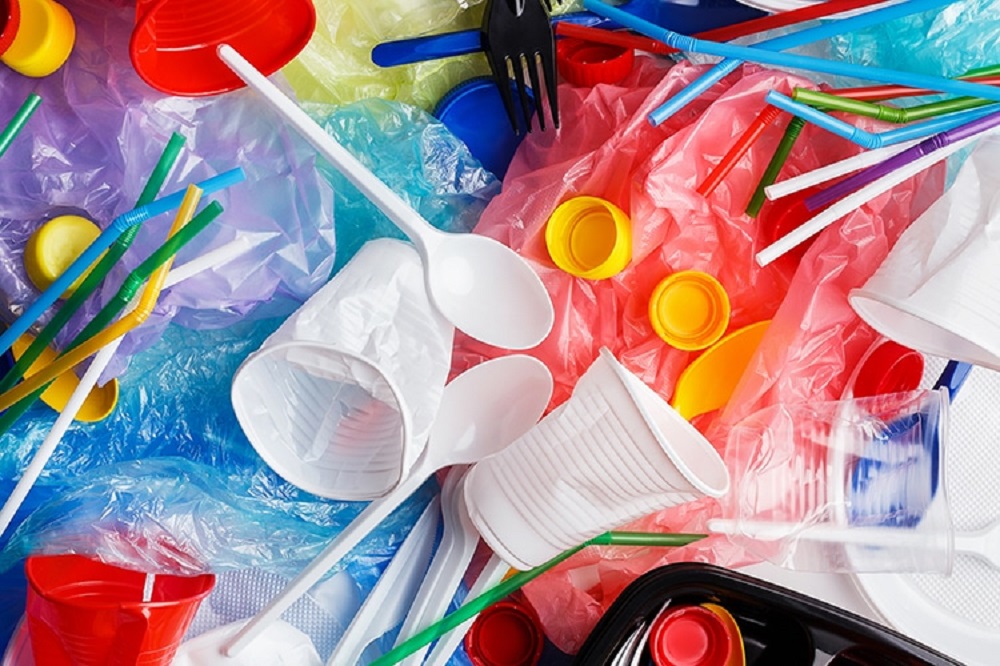
In a major move to tackle the significant plastic pollution problem in the country, India has announced a ban on all manufacture, sale and use of single use plastics from July 2022.
The government of India announced this month that they will be banning the manufacture, sale, distribution and use of single use plastics from July 1 2022 onwards. The ban will be rolled out in three phases based on the utility and environmental impact of the plastic.
The Central Pollution Control Board had earlier in the year notified producers, shopkeepers, street vendors, and the general public about the ban on such items that the government considers single-use plastic.
The prohibited plastic items include ear buds, flags, candy, and ice-cream sticks, decorative thermocol, PVC banners less than 100 microns thick, stirrers, wrapping films, cups, glasses, and cutlery, among others.
Delhi Government has decided to ban single-use plastics in Delhi Secretariat from June 1 onwards.
Delhi Environment Minister Gopal Rai today informed, ‘Single-use plastic goods will be prohibited at the Delhi Secretariat beginning June 1. In the first phase, the use-and-throw pens and water bottles will be prohibited in the Delhi Secretariat. Also, banners, posters, and food cutlery made of single-use plastics will also be banned in the Delhi Secretariat premises.”
Gopal Rai also added how the Environment Department, under the leadership of Delhi Chief Minister Arvind Kejriwal, is carrying out all needed steps to combat the pollution problem. The department also made an effort to launch a Summer Action Plan to combat the city’s rising pollution levels.
The notification has a huge communication value in the global fight against plastic pollution. But its effect on ground cannot be measured due to poor data on generation and recycling of plastic waste.
It will be interesting to estimate the amount of plastic waste that we will be diverting from our dumpsites, by analysing the volume of waste generated from the 20 SUP items proposed to be phased out as a share of the current plastic waste generation with the share of the overall plastic waste generated in the country.
